selection from the series of photograms "In bed with Lucy and Dolly"
<< home : david fried - contemporary art / kunst. scroll down for more
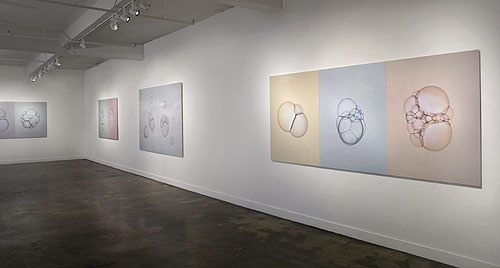
View: solo at gallery sara tecchia, new york, 2007
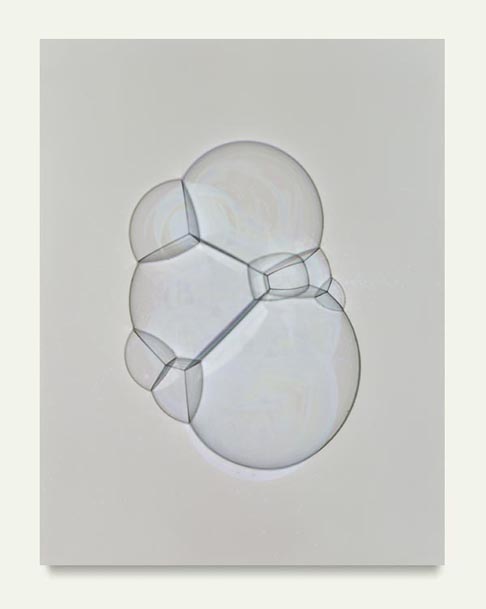
in bed with lucy and dolly No.28,, 2001, color photogram on diasec, alu. 100 x 130 cm
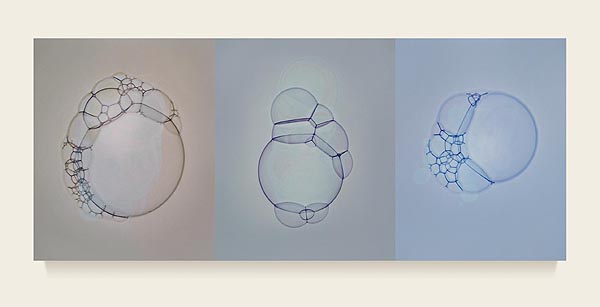
in bed with lucy and dolly No.3-18, 2001, color photogram on diasec, alu. 60 x 150 cm
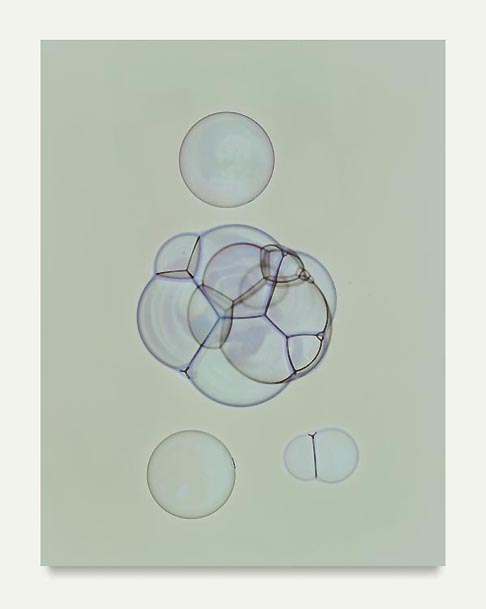
in bed with lucy and dolly No.3,, 2000, color photogram on diasec, alu. 100 x 130 cm
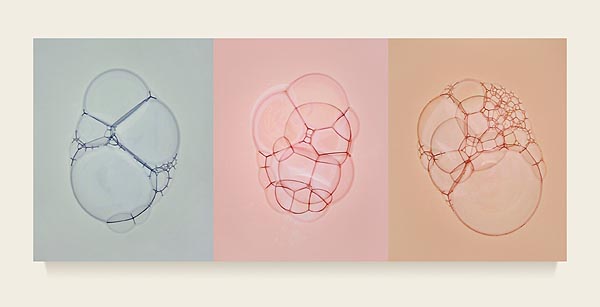
in bed with lucy and dolly No.3-19, 2001, color photograms on diasec, alu. 60 x 150 cm
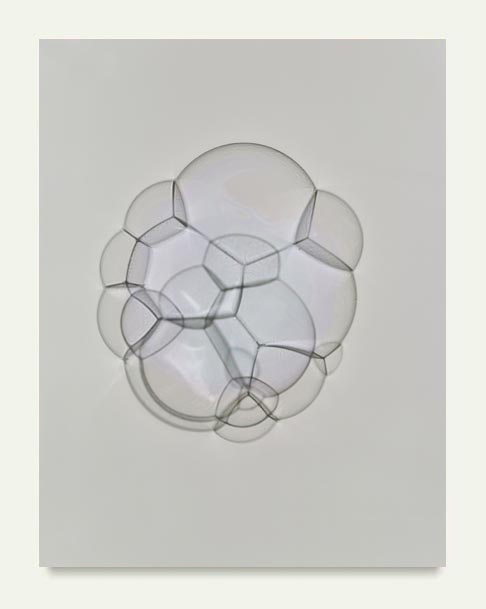
in
bed with lucy and dolly No.19, 2001, color
photogram on diasec, alu. 100 x 130 cm
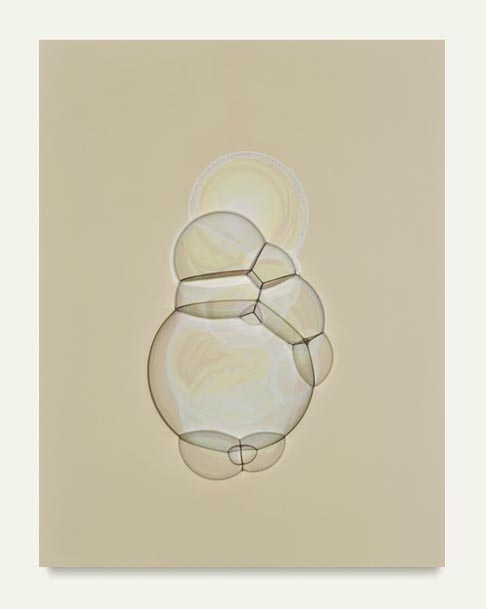
in bed with lucy and dolly No.23, 2001, color photogram on diasec, alu. 100 x 130 cm
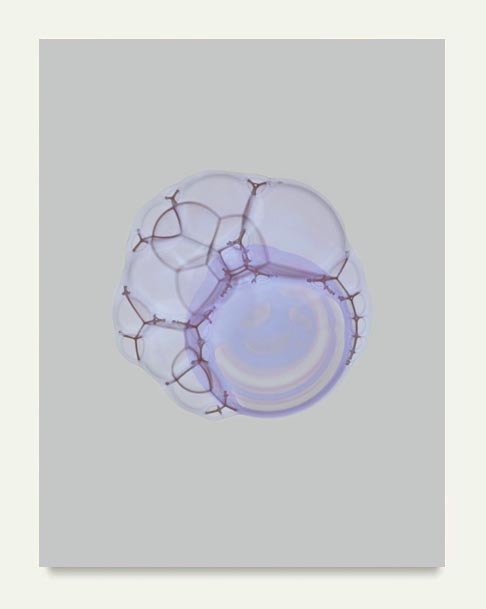
in bed with lucy and dolly No.35, 2003, color photogram on diasec, alu. 100 x 130 cm
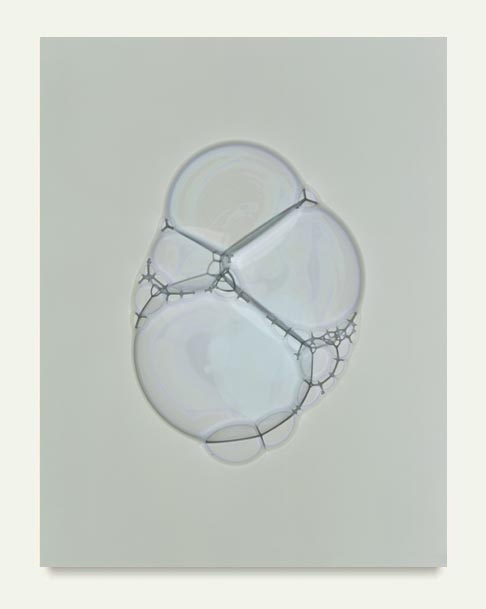
in bed with lucy and dolly No.17, 2001, color photogram on diasec, alu. 100 x 130 cm
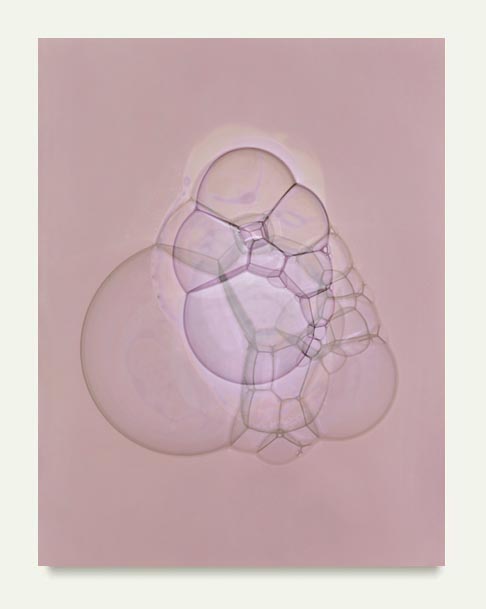
in bed with lucy and dolly No.31, 2001, color photogram on diasec, alu. 100 x 130 cm
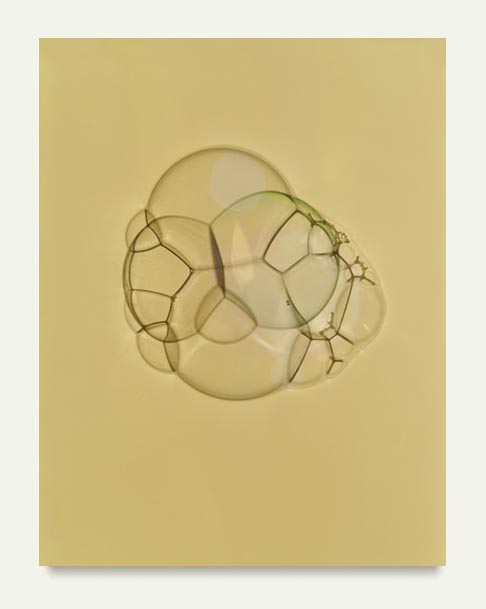
in bed with lucy and dolly No.22, 2001, color photogram on diasec, alu. 100 x 130 cm
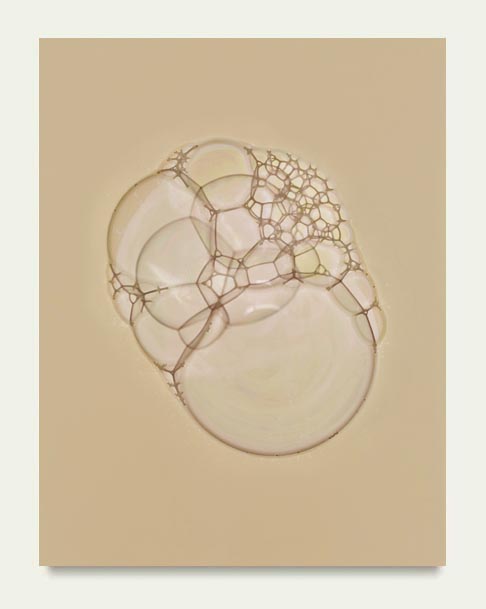
in bed with lucy and dolly No.15, 2001, color photogram on diasec, alu. 100 x 130 cm
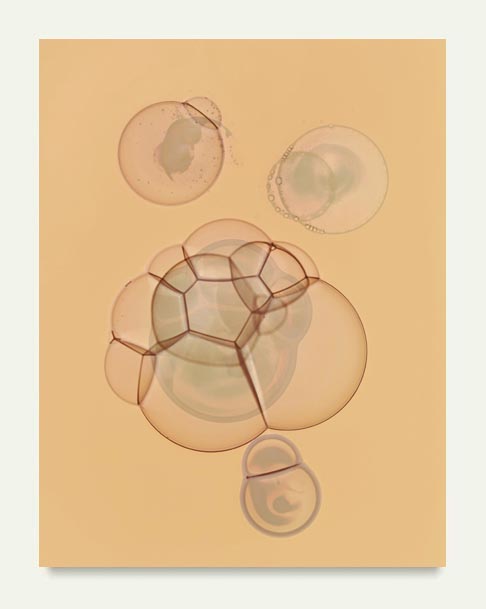
in bed with lucy and dolly No.2, 2000, color photogram on diasec, alu. 100 x 130 cm
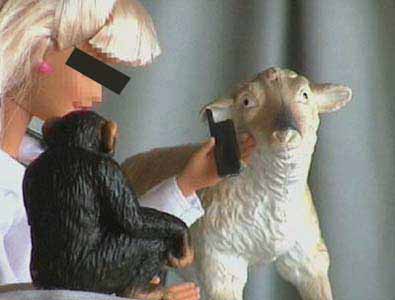
in bed with lucy and dolly, act one, 2001, scene from video-play.
In bed with Lucy and Dolly - Photograms
Mapping the temporal balance between water and air in the form of unique bubbles—which emerge as a result of dynamic systems that do not follow linear and hierarchal patterns of organizational behavior—Fried charts the fundamental economy of fluid networks in nature. In varying chromatic tones, Fried depicts strictly non-biological membranes that evoke a strong resemblance to primordial living cells or biotech test-tube creations, and reminds us of just how fragile, yet adoptive the architecture of life is.
Fried creates large gaseous vesicles in a totally darkened room using infrared goggles. At the decisive moment before they fall, he photograms them onto grainless color sheet-film by triggering a colored point-light source above. He captures the shadows of these fleeting objects to make an image on a photosensitive support using only light and the light sensitive material. No camera or lens is used.
What we see in his enlarged c-prints are the latent shadows and spectral aberrations of these transparent forms caused by the membrane’s curved surface. The object itself becomes the lens, subtly bending the light and altering its own image.
The series title refers to Lucy as the early hominin ‘mother’, to Us as the ‘myth-makers’, and to Dolly the cloned sheep, as to what Fried ironically calls the ‘missing link’, in a mythological dialogue that seeks orientation in a world in which man has moved from adapting to and controlling their environment, to designing life itself to fit it’s environment. With this work, Fried involves our sense of orientation in a world that has taken a biomorphic journey from the Cambrian sea to the sea of science and it’s playpens of genetic engineering.
C.C.: Would you please explain your reference in the title of the photographic works to Dolly, the first cloned sheep?
D.F.: With her arrival (Dolly), a media star was born. Suddenly everyone knew a barrier was shattered between mankind’s practice of altering his environment, and mankind‘s attempts at re-inventing himself. Humans has always looked for what separates themselves from other species. For me, Dolly became the missing link, fulfilling man‘s need to be supreme. On the other hand, Lucy, an ancient hominid, is a woman of less certain origin. Although we can clearly interpret her physiological nature, the question is still posed: how intelligent was she really?’ Well, at least clever enough to eat, sleep and reproduce biologically... So we find ourselves in bed with our own past and future, trying to orientate ourselves to this brave new world.
Christopher Chambers is an artist, critic, and curator based in New York City.

see "interview" page for full text - English / German >>
In Bed with Lucy und Dolly - Fotogramme
In seinen Arbeiten „Im Bett mit Lucy und Dolly“ zeigt Fried das flüchtige Gleichgewicht zwischen Wasser und Luft in Form einzigartiger Luftblasen, entstehend als Resultat aus dynamischen Systemen, die nicht den linearen und hierarchischen Mustern organisierten Verhaltens folgen. Er kartografiert so die fundamentale Ökonomie der Netzwerke in der Natur. In unterschiedlichen Farbtönen bildet Fried ausschließlich jene nicht-biologischen Membranen ab, die eine starke Ähnlichkeit zu den Ur-Lebenszellen oder den Schöpfungen im biotechnischen Reagenzglas besitzen und uns daran erinnern, wie stark und doch wie vergänglich die Architektur des Lebens ist.
Fried
kreiert, ausgestattet mit einer Infrarotbrille, in einem vollkommen abgedunkelten
Raum große Blasen und erzeugt im entscheidenden Moment ihr Fotogramm
auf kornlosen Farbfilmbögen. Er nutzt die Schatten der - hier sogar
transparenten - Objekte, um ein Bild auf den Film zu bannen. Er verwendet
also ausschließlich Licht und lichtempfindliches Material, keine Kamera,
kein Objektiv.
Was wir in seinen vergrößerten C-Prints sehen, sind die Schatten
und die Spektralabweichungen dieser transparenten, von der gekrümmten
Oberfläche der Membran selbst verursachten Formen. Das Objekt wird
damit zum Objektiv, welches das Licht subtil bricht und damit das eigene
Bild verwandelt.
Der Titel bezieht sich auf Lucy (die frühe Menschenmutter), auf uns (den Mythos) und auf Dolly, das Schaf (das Missing Link). Sie stehen in einem Dialog, der die Orientierung in einer Welt sucht, in der sich die Menschheit von der Kontrolle ihrer Umwelt bereits wegbewegt, hin zu dem unvermeidlichen Drang, unsere eigenen Vorfahren neu zu erschaffen.
Mit dieser Arbeit stimuliert Fried unseren Orientierungssinn und führt uns auf eine biomorphische Reise, vom Kambrischen Meer, bis hin den Versuchsteichen der Wissenschaft mit ihren ersten Schöpfungen der Gentechnik.
<< home << back texts >> English / Deutsch next section >> Rainscapes